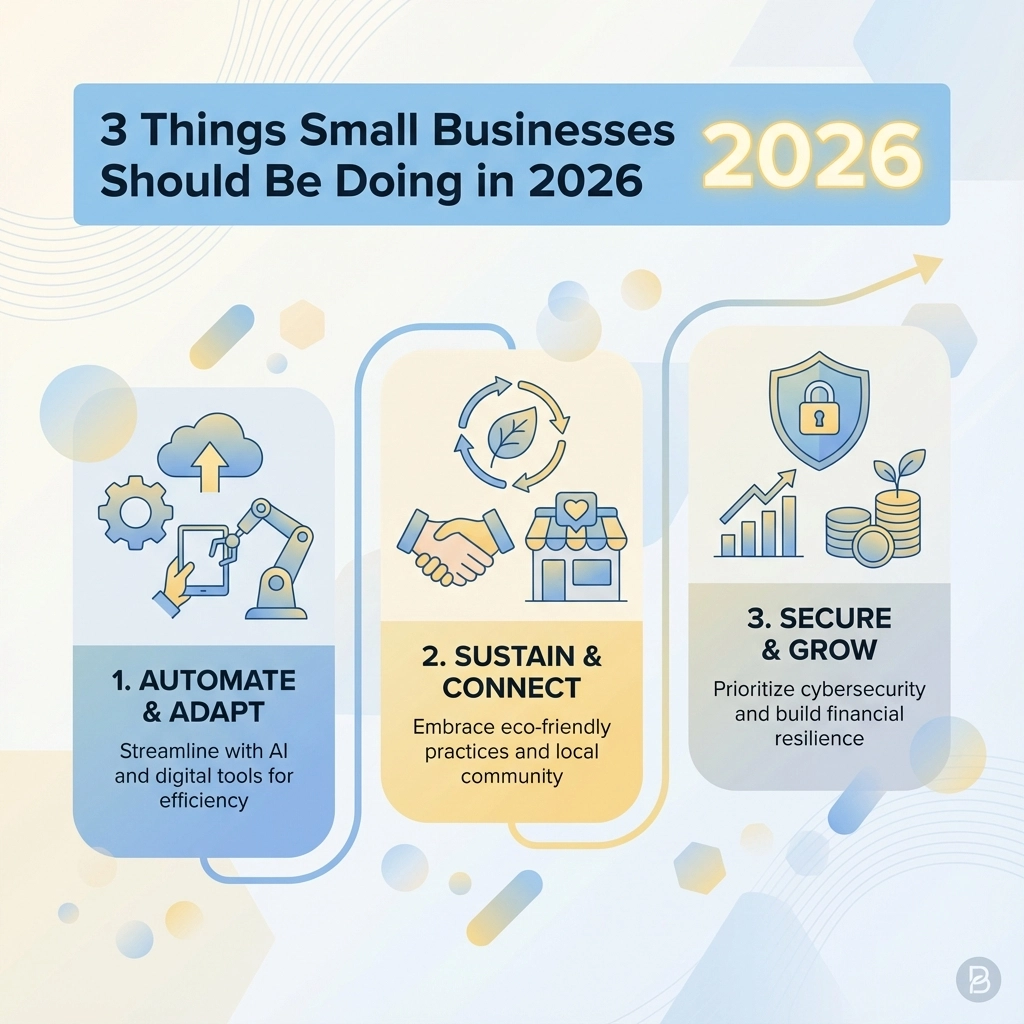
As we head into 2026, small businesses face a rapidly evolving landscape where staying competitive means more than just keeping up: it means getting ahead of the curve. The businesses that thrive won't be the ones simply maintaining the status quo; they'll be the ones making strategic moves that position them for sustainable growth.
After working with hundreds of small businesses across various industries, we've identified three critical areas where smart business owners are focusing their energy and resources. These aren't just trends: they're fundamental shifts that will determine which businesses flourish and which get left behind.
Let's dive into the three things your small business should be doing in 2026 to ensure you're not just surviving, but genuinely thriving.
1. Embrace AI and Smart Technology Integration
The conversation around artificial intelligence has shifted from "if" to "how" and "when." In 2026, 75% of small and medium-sized businesses are actively investing in AI technologies, and there's a compelling reason why: 78% of SMB leaders believe AI will be a game-changer for their operations.
But here's what we've learned from our clients: successful AI integration isn't about implementing every shiny new tool. It's about identifying specific pain points in your business and deploying targeted solutions that deliver measurable results.
Start with the Low-Hanging Fruit
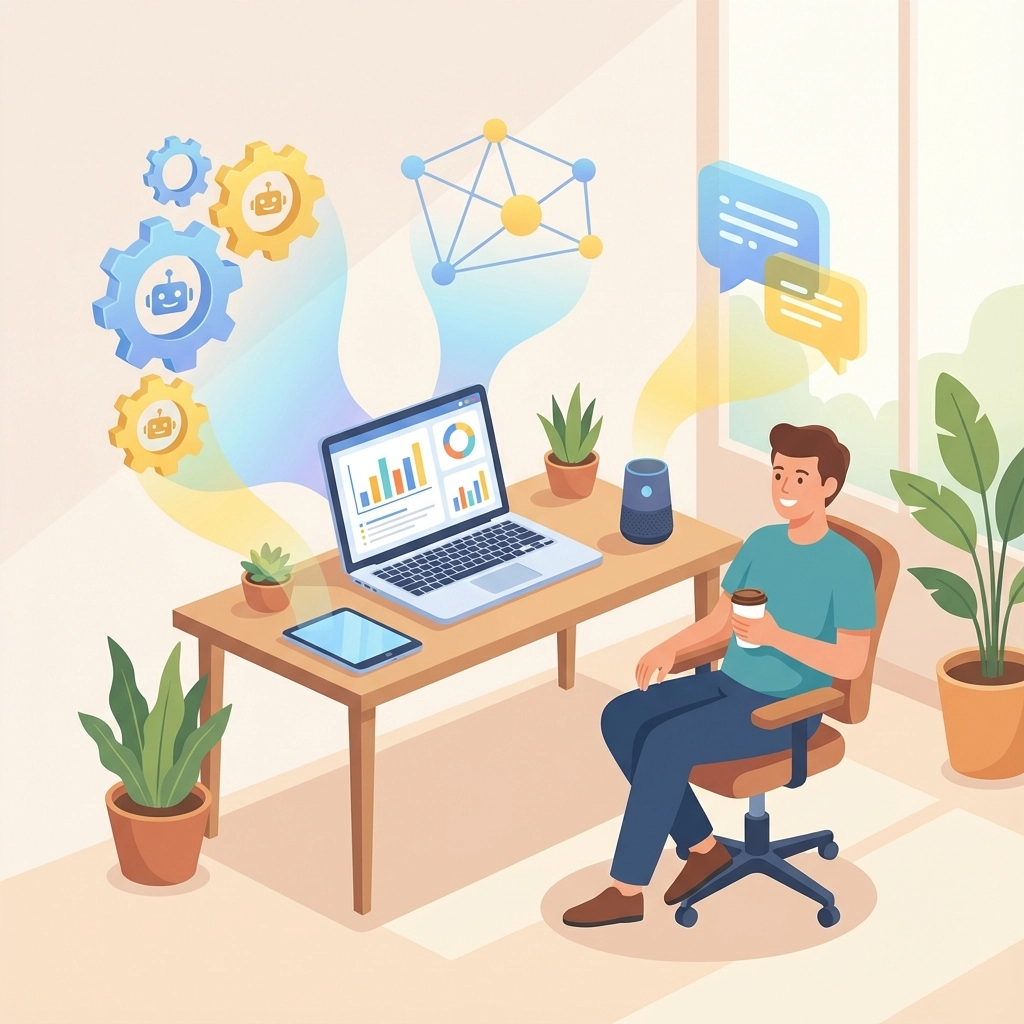
Your first AI implementations should focus on tasks that eat up your team's time without adding strategic value. We recommend starting with:
- Automated customer support chatbots that handle routine inquiries, freeing your team to focus on complex customer needs
- AI-powered scheduling tools that eliminate the back-and-forth of appointment booking
- Automated marketing campaigns that nurture leads while you focus on closing deals
- Smart inventory management systems that predict demand and optimize stock levels
The beauty of these solutions is that they work behind the scenes, improving efficiency without disrupting your daily operations. Our clients typically see a 30-40% reduction in administrative tasks within the first three months of implementation.
The Competitive Edge
Here's a statistic that should grab your attention: 73% of SMB leaders report that their technology investments help them keep up with or outpace competitors. Your competition is already exploring these tools: the question is whether you'll lead or follow.
We've seen businesses transform their operations by implementing AI-assisted sales tools that help identify the hottest prospects, or automated reporting systems that give owners real-time insights into their business performance. These aren't futuristic concepts: they're practical solutions delivering results today.
Getting Started Without Overwhelm
The key to successful AI integration is starting small and scaling smart. Partner with an IT team that understands your business needs and can guide you through implementation without disrupting your current operations. We believe in taking a measured approach: identifying one or two high-impact areas and building success from there.
2. Make Sustainability a Strategic Business Practice
Sustainability has moved far beyond feel-good marketing. In 2026, it's a strategic necessity that impacts everything from customer loyalty to operational costs. Today's consumers don't just prefer businesses that demonstrate environmental responsibility: they actively seek them out and are willing to pay premium prices for sustainable options.
Beyond Green Marketing
Real sustainability isn't about changing your logo to green or adding a recycling bin to your office. It's about integrating environmentally conscious practices into your core business operations in ways that actually improve your bottom line.
Technology-Enabled Sustainability
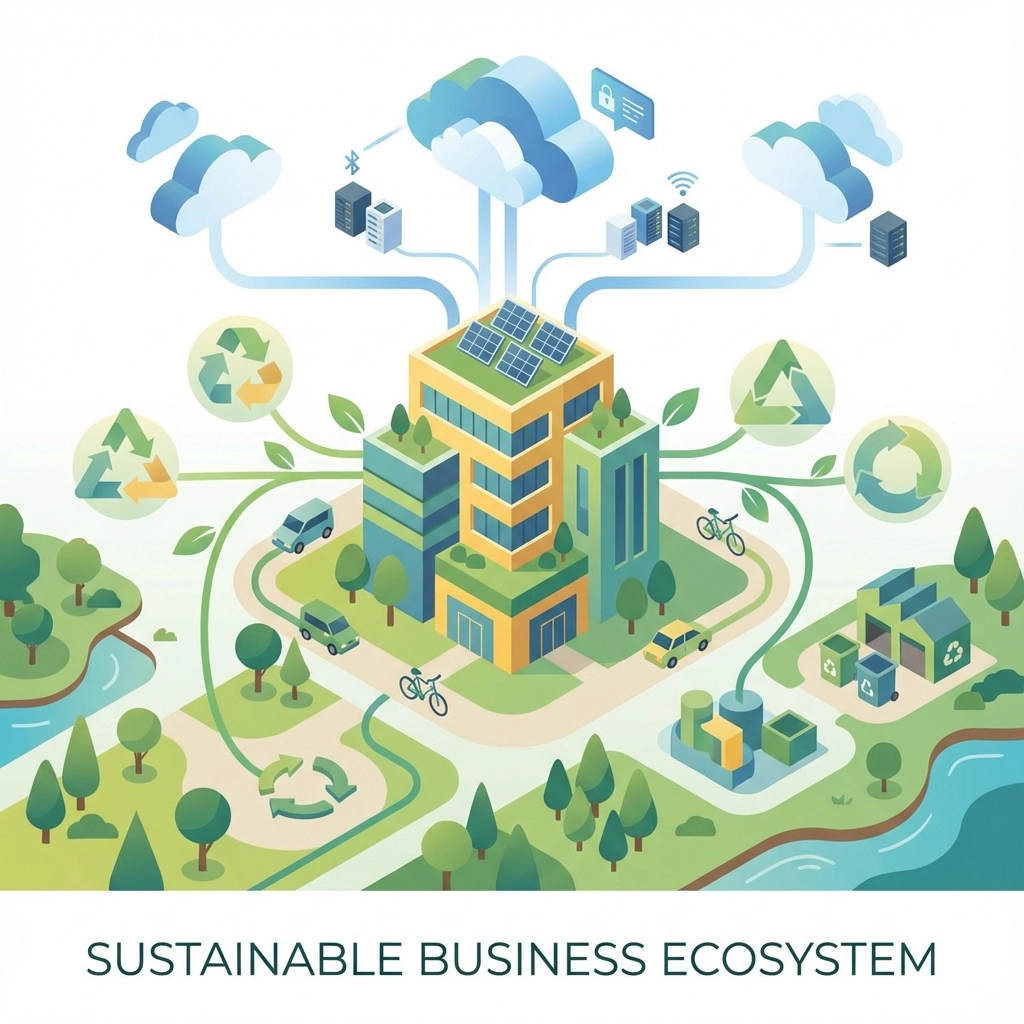
This is where smart technology investment pays double dividends. Consider these practical approaches:
- Cloud-based operations that eliminate the need for energy-hungry on-site servers
- Digital documentation systems that reduce paper waste while improving accessibility and security
- Remote and hybrid work technologies that cut facility costs and reduce your carbon footprint
- Automated energy management systems that optimize your office environment based on actual usage patterns
Our clients have discovered that sustainable practices often lead to significant cost savings. One manufacturing client reduced their energy costs by 35% while improving their environmental impact: simply by implementing smart building controls and moving to cloud-based systems.
Supply Chain Transparency
Modern consumers expect transparency in your supply chain and sourcing practices. This means having systems in place to track and report on your environmental impact, vendor practices, and sustainability metrics.
Technology makes this transparency possible without requiring massive administrative overhead. Automated reporting systems can track your sustainability metrics and generate the documentation you need for both compliance and marketing purposes.
The Business Case
Here's the reality: sustainable practices aren't just about doing the right thing: they're about building a resilient, efficient business. Companies that prioritize sustainability tend to have lower operational costs, higher employee satisfaction, and stronger customer loyalty. They're also better positioned to adapt to changing regulations and market demands.
3. Deliver Personalized Customer Experiences at Scale
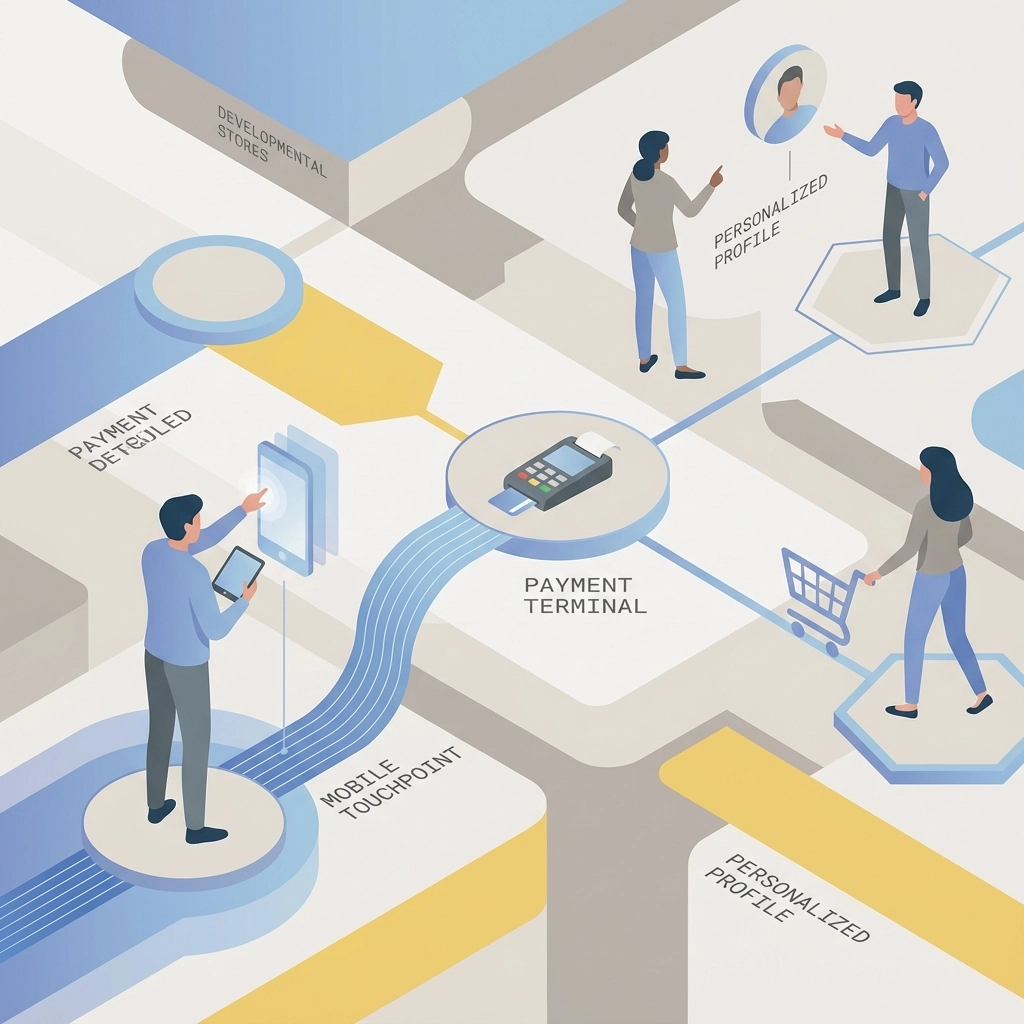
Customer expectations have fundamentally shifted. In 2026, consumers don't just want good service: they expect personalized, seamless experiences that make them feel understood and valued. The challenge for small businesses is delivering this level of personalization without proportionally increasing costs or complexity.
The Personalization Imperative
Your customers are interacting with companies like Amazon, Netflix, and Spotify every day: companies that use sophisticated algorithms to deliver hyper-personalized experiences. While you don't need Amazon's resources, you do need to meet the expectations these companies have created.
Technology as Your Personalization Engine
The good news is that modern technology makes enterprise-level personalization accessible to small businesses. Here's how to leverage it:
- Customer relationship management (CRM) systems that track preferences, purchase history, and communication patterns
- Automated email marketing platforms that deliver targeted content based on customer behavior
- Website personalization tools that adapt your online experience based on visitor data
- AI-powered recommendation engines that suggest relevant products or services
Payment Experience Innovation
Don't overlook the impact of payment flexibility on customer experience. Offering multiple payment options: mobile payments, digital wallets, buy-now-pay-later options, and traditional methods: isn't just convenient; it's expected.
Modern payment systems also provide valuable customer data that can enhance personalization efforts. When you understand how, when, and what customers purchase, you can tailor future interactions to match their preferences and buying patterns.
Building Community and Connection
Personalization extends beyond digital interactions. Successful small businesses in 2026 are building genuine communities around their brands. This might mean:
- Creating exclusive experiences for loyal customers
- Developing niche expertise that serves specific market segments
- Using technology to facilitate meaningful connections between customers
- Implementing feedback systems that make customers feel heard and valued
Scaling Without Losing the Personal Touch
The challenge is maintaining that personal connection as you grow. This is where smart technology implementation becomes crucial. Automated systems should enhance human interactions, not replace them. The goal is to free your team from routine tasks so they can focus on building meaningful relationships with customers.
We've seen clients use customer data platforms to identify high-value customers who deserve personal attention, while automated systems handle routine inquiries. This approach lets you scale efficiently while maintaining the personal service that sets small businesses apart from larger competitors.
Making It All Work Together
These three priorities aren't separate initiatives: they work together to create a comprehensive business strategy for 2026. AI and smart technology enable personalized customer experiences while supporting sustainable operations. Sustainability practices often reduce costs, freeing up resources for technology investments. Personalized customer experiences drive loyalty and revenue, justifying investments in both technology and sustainable practices.
The key to success is taking a strategic approach that aligns with your business goals and resources. You don't need to implement everything at once, but you do need a plan that positions your business for long-term success.
Your business deserves technology solutions that grow with you, support your values, and help you deliver exceptional customer experiences. When you're ready to explore how these priorities can transform your business, we're here to help you take that next step.
Ready to take control of your business technology and build a foundation for growth? Let's work together to create a customized plan that addresses your unique needs and positions you for success in 2026 and beyond.